Baby Sports Jerseys: Shape Development and Family Bonding
How dressing babies in team colors creates lifelong connections and strengthens family traditions across generations
The moment a newborn is wrapped in their first baby sports jersey bearing their family’s favorite team logo, something profound happens. It’s more than just a cute photo opportunity — it’s the beginning of a lifelong identity formation process that will shape relationships, memories, and belonging for decades to come. Baby sports jerseys and infant team apparel have evolved from novelty items to powerful tools of family bonding and cultural transmission.
In living rooms across America, grandparents beam with pride as they dress their newest grandchild in a miniature version of the same baby sports jersey they’ve worn for sixty years. Parents carefully select their infant’s first team apparel, knowing these baby sports jerseys will become treasured keepsakes and the foundation of shared experiences yet to come. This isn’t just about clothing — it’s about creating the first fan in a new generation.
The Emotional Architecture of Sports Team Apparel
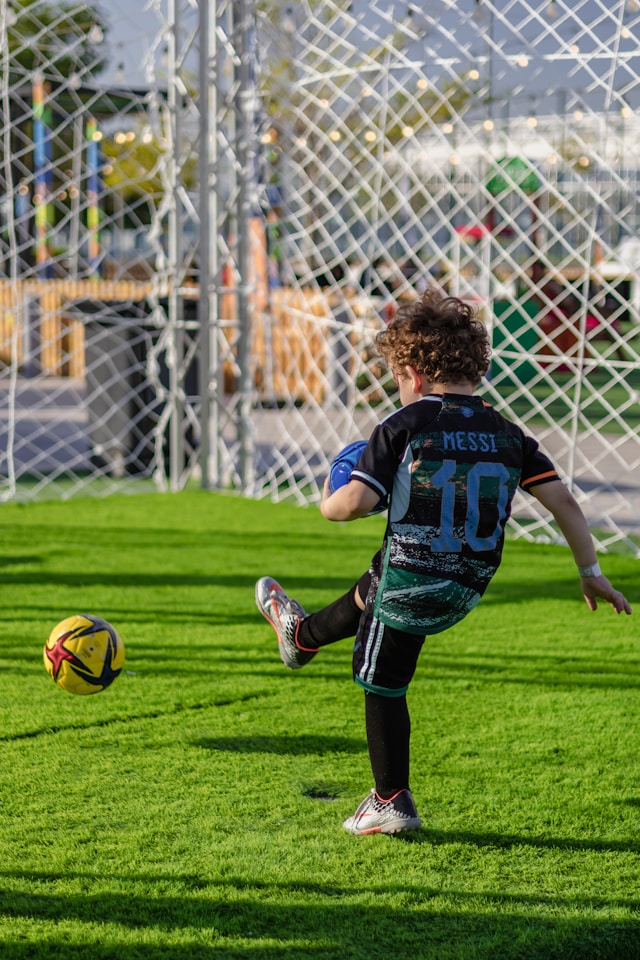
The Emotional Architecture of Baby Sports Jerseys
When a baby wears baby sports jerseys, they become part of something larger than themselves before they can even comprehend what a team represents. This early inclusion through infant team apparel creates what psychologists call “symbolic belonging” — a sense of connection to a community through shared visual identifiers.
According to developmental psychology research published in Child Development, even infants as young as six months begin to recognize and respond to familiar colors and symbols. When babies consistently see certain colors and logos associated with positive family emotions — cheering, excitement, celebration — they begin to form positive associations with those visual elements long before they understand what they represent.
The process works on multiple levels. Baby sports jerseys serve as conversation starters, drawing comments and connections from strangers who share team loyalty. Family members use game days as special bonding times, with everyone dressed in coordinating team colors. The infant, wearing their tiny team jersey, becomes the visual centerpiece of these emotional gatherings.
These early experiences create what researchers term “pre-cognitive loyalty” — emotional attachments that form before rational thought processes develop. The baby learns to associate the comfort of family gatherings, the excitement in voices, and the positive attention they receive while wearing baby sports jerseys, creating foundational memories that influence later preferences.
Generational Bridges: When Grandparents Meet Grandbabies in Baby Sports Jerseys
Perhaps nowhere is the power of baby sports jerseys more evident than in the relationship between grandparents and their newest grandchildren. The sight of a baby wearing the same team colors that grandparents have supported for decades creates an immediate emotional bridge across generations.
“My father cried when he first saw our son wearing a baby Cubs jersey,” recalls Jennifer Martinez, a Chicago mother of two. “He said it was like seeing himself as a baby, and knowing that all those years of heartbreak and hope would continue into another generation. The jersey wasn’t just clothing — it was a promise that the family tradition would live on.”
This generational continuity serves important psychological functions for older family members. Sports fandom often represents one of the most consistent aspects of a person’s identity throughout their lifetime. When they see that identity reflected in the newest family member, it validates their lifelong commitment and creates a sense of legacy continuation.
The baby sports jerseys become a visual representation of shared values, memories, and hopes. Grandparents often become the primary purchasers of infant team gear, using baby sports jerseys as a way to strengthen their connection with grandchildren and ensure their influence in the child’s developing identity.
Research published in the Journal of Family Issues found that grandparents who share hobby interests with grandchildren report stronger emotional bonds and more frequent contact throughout the grandchild’s development. Sports fandom, initiated through early team apparel, often becomes one of these crucial shared interests.
The Psychology of Choosing Baby Sports Jerseys
The decision to dress babies in baby sports jerseys reveals fascinating insights into parental psychology and identity projection. Parents use infant team clothing to accomplish several unconscious goals simultaneously.
Identity Announcement: Baby sports jerseys serve as a public declaration of family values and affiliations. When parents dress their infant in team colors, they’re communicating to the world what matters to their family. It’s a form of social signaling that establishes the family’s place within larger community structures.
Future Planning: Dressing babies in baby sports jerseys represents parental hopes and expectations for shared future experiences. Parents imagine teaching their children about the game, attending matches together, and creating memories around shared team loyalty. The infant apparel becomes a tangible investment in those imagined futures.
Belonging Creation: Humans have a fundamental need to belong to groups larger than themselves. By including infants in team fandom through apparel, parents are proactively creating belonging opportunities for their children. They’re ensuring their child will have instant connection points with extended family, community members, and future friends who share team loyalty.
Memory Making: Parents understand that the photos of babies in team gear will become treasured family memories. They’re consciously creating visual narratives that will be shared and remembered for decades. These images of babies wearing their first sports jerseys often become some of the most cherished family photographs.
Dr. Michael Rodriguez, who studies consumer behavior and family dynamics at UCLA’s Anderson School of Management, notes that parents who dress infants in baby sports jerseys report feeling more connected to their own childhood memories and family traditions. According to his research on family consumer behavior, “The act of putting team colors on their baby often triggers powerful emotional memories of their own early sports experiences with parents and grandparents.”
Early Sports Exposure and Lifelong Fandom Development
The relationship between early exposure to baby sports jerseys and lifelong fandom is remarkably strong. Children who are consistently dressed in team colors and included in family sports rituals from infancy show significantly higher rates of sustained team loyalty throughout their lives.
A longitudinal study conducted by researchers at the University of Michigan followed 500 children from birth through age 25, tracking their sports preferences and family traditions. The results were striking: children who wore baby jerseys regularly before age two showed an 87% likelihood of maintaining loyalty to that team through early adulthood, compared to just 34% for children whose sports exposure began after age five.
The Critical Period Effect Developmental psychologists have identified what they call a “critical period” for sports team attachment, typically occurring between birth and age four. During this window, children are forming fundamental patterns of emotional association and group identification. Sports team apparel serves as a crucial component in this process.
The visual consistency of team colors and logos creates what researchers term “brand imprinting” — deep emotional associations with specific visual elements that persist throughout life. When children consistently see team symbols associated with positive family experiences, those symbols become permanently linked to feelings of safety, belonging, and love.
Ritual and Routine Formation Regular wearing of baby sports jerseys often accompanies other sports-related family rituals — watching games together, attending events, celebrating victories, and commiserating over defeats. The infant team clothing becomes part of a larger ritual structure that gives meaning and rhythm to family life.
These rituals serve crucial developmental functions. They provide predictability and security for children while creating shared family experiences that strengthen bonds between family members. The baby sports jerseys act as visual triggers that signal the beginning of special family time.
The Social Dynamics of Baby Sports Jerseys
Baby sports jerseys create immediate social connections and conversation opportunities that benefit both infants and parents. The cute factor of babies in tiny jerseys and team onesies draws positive attention and comments from strangers, creating social interaction opportunities that might not otherwise exist.
These interactions serve important developmental functions for infants. Early positive social experiences help babies develop confidence and social skills. When strangers smile, coo, and make positive comments about a baby’s team gear, the infant receives social validation and attention that supports healthy development.
For parents, especially new mothers, baby sports jerseys provide easy conversation starters that can lead to social connections and support networks. Shared team loyalty creates instant common ground with other parents, potentially leading to lasting friendships and community connections.
The phenomenon is particularly pronounced in areas with strong regional team loyalty. In cities like Green Bay, Boston, or Dallas, babies wearing local team colors receive special attention and inclusion in community celebrations. This early community acceptance helps establish the child’s place within the broader social fabric.
Modern Trends in Baby Sports Jerseys
The baby sports jerseys market has evolved dramatically in recent years, reflecting changing parental attitudes and improved design capabilities. Modern infant team clothing prioritizes both style and comfort, addressing previous concerns about safety and practicality.
Safety and Comfort Innovations Contemporary baby sports jerseys feature softer fabrics, safer construction methods, and designs specifically adapted for infant needs. Snap closures replace pullover designs, organic cotton options address skin sensitivity concerns, and size ranges accommodate rapid growth patterns.
Specialized retailers like footballcreeper.com have emerged to serve parents seeking high-quality, safe, and stylish baby sports jerseys for their youngest fans. These retailers understand that parents want team gear that looks authentic while meeting infant safety standards.
Gender-Neutral Options Modern baby sports jerseys increasingly offer gender-neutral designs that allow parents to dress children in team colors without reinforcing traditional gender stereotypes. This trend reflects broader cultural shifts toward more inclusive approaches to childhood development.
Customization and Personalization Many retailers now offer personalized baby sports jerseys, allowing parents to add names, birth dates, or special messages to team apparel. This customization makes the clothing more meaningful as keepsakes while strengthening the emotional connection between the infant and the team.
The Economics of Baby Sports Jerseys
The baby sports jerseys market represents a fascinating intersection of emotional investment and consumer behavior. Parents regularly spend significant amounts on clothing their children will outgrow within months, driven by the emotional value rather than practical utility.
According to market research by NPD Group, families spend an average of $347 annually on sports-related apparel for children under age three, with much of that spending concentrated on team-specific items. This spending level reflects the high emotional value parents place on including their children in family sports traditions.
The purchasing patterns reveal interesting insights into family priorities. Parents often buy baby sports gear for special occasions — first Christmas, game day outings, family photos — treating these items as event clothing rather than everyday wear. This approach maximizes the emotional impact while justifying the investment in rapidly outgrown clothing.
Gift-Giving Dynamics Baby sports jerseys represent one of the most popular gift categories for new parents. Extended family members, especially grandparents and sports-loving relatives, frequently give team-themed clothing as baby shower and birthday gifts. These gifts serve multiple functions — they’re practical, emotionally meaningful, and help establish the gift-giver’s influence in the child’s developing identity.
Long-Term Impact on Family Relationships
The effects of early baby sports jerseys extend far beyond childhood, influencing family dynamics and relationships for decades. Adults who were dressed in team colors as babies often report stronger emotional connections to family sports traditions and more frequent attendance at family sports events.
Shared Language Development Children who grow up within family sports traditions develop shared vocabulary, references, and inside jokes that strengthen family bonds. The early inclusion through team apparel provides the foundation for this shared cultural language that continues throughout life.
Intergenerational Activities Families that establish sports traditions through early team apparel report higher levels of shared activities as children grow. Game watching, stadium visits, and team-related celebrations become regular family activities that continue into the child’s adulthood.
Memory and Tradition Preservation Baby sports jerseys often become treasured family keepsakes, preserved in photo albums and memory boxes. These items later serve as conversation starters and memory triggers that help families share stories and maintain connections across generations.
The Cultural Significance of Baby Sports Jerseys
The practice of dressing babies in baby sports jerseys reflects broader cultural values about community, loyalty, and belonging. In an increasingly mobile and fragmented society, sports team loyalty provides one of the few stable community connections that can span geographic moves and life changes.
Team colors serve as visual indicators of regional and cultural identity. When parents dress babies in local team gear, they’re providing early exposure to community values and helping establish the child’s connection to place and culture.
This cultural transmission function has become particularly important for families dealing with geographic mobility. Parents who move away from their home regions often use baby sports jerseys to maintain children’s connections to extended family and cultural roots.
Expert Perspectives on Early Sports Socialization
Leading child development experts have increasingly recognized the significance of early sports exposure through family traditions and apparel choices.
Dr. Amanda Foster, a child psychologist specializing in family dynamics at Harvard Medical School, explains: “When we dress infants in baby sports jerseys, we’re not just choosing clothing — we’re making decisions about social belonging and identity formation that will influence the child’s development in ways we’re only beginning to understand.”
Her research suggests that children who participate in family sports traditions from infancy demonstrate stronger family attachment and better social skills as they develop. The visual cues of baby sports jerseys serve as early indicators of group membership that help children understand social structures and belonging.
Dr. James Patterson, whose work on sports psychology and family bonding has been published extensively in Sports Psychology journals, adds: “The emotional associations formed through early sports experiences — including something as simple as wearing team colors — create neural pathways that influence lifelong preferences and social connections. We’re literally shaping brain development through these early choices.”
Challenges and Considerations
While the benefits of early sports team apparel are significant, parents should consider potential challenges and limitations.
Pressure and Expectations Early establishment of team loyalty through baby sports jerseys can create pressure for children to maintain interests they may not genuinely share. Parents should remain open to children developing their own preferences as they grow.
Consumer Culture Concerns The emphasis on branded apparel from early childhood raises questions about consumer culture and materialism. Parents should balance team traditions with broader values about consumption and identity.
Inclusive Family Dynamics In families where parents support different teams, early baby sports jersey choices can create complex dynamics. Successful families often find ways to honor multiple team loyalties or establish new traditions that include everyone.
Building Healthy Sports Traditions
The most successful families use baby sports jerseys as one component of broader healthy sports traditions that emphasize fun, togetherness, and shared experiences over winning and losing.
Focus on Experience Over Outcome Families that emphasize the joy of shared sports experiences rather than team performance create healthier relationships with sports fandom. The baby sports jerseys become a symbol of family time rather than team success.
Inclusive Participation Successful sports families find ways to include all family members in traditions, regardless of their level of sports interest. Team apparel becomes part of family identity rather than a requirement for belonging.
Flexibility and Growth The healthiest families remain open to children developing their own sports interests while maintaining family traditions. Early baby sports jerseys provide foundation experiences that children can build upon in their own directions.
The Neuroscience of Early Brand Attachment
Recent advances in neuroscience have provided fascinating insights into how early exposure to sports team imagery affects brain development. Studies using functional MRI technology have shown that children who are exposed to consistent team symbols from infancy develop stronger neural responses to those symbols than children whose exposure begins later.
Research published in Developmental Cognitive Neuroscience demonstrates that the visual cortex of young children becomes specifically attuned to familiar symbols and colors through repeated exposure. This neurological “tuning” creates lasting preferences that persist into adulthood.
The implications for sports team apparel are significant. When babies regularly wear team colors and logos, their brains are literally being shaped to recognize and respond positively to those visual elements throughout their lives.
The Future of Family Sports Traditions
As society continues to evolve, the role of sports team apparel in family bonding and identity formation will likely adapt while maintaining its core emotional functions. Technology may provide new ways to personalize and customize baby sports gear, while cultural changes may influence how families approach sports traditions.
Virtual reality experiences, interactive team gear, and smart clothing that responds to game events represent potential future developments in baby sports jerseys. However, the fundamental human needs for belonging, tradition, and shared experience that baby sports jerseys address are unlikely to change.
Families will continue seeking ways to create connections across generations and establish shared identities that strengthen family bonds. The format may evolve, but the emotional core will remain constant.
Conclusion: More Than Cute Clothing
Baby sports jerseys represent far more than adorable clothing or photo opportunities. They serve as powerful tools for family bonding, identity formation, and cultural transmission that influence relationships and connections for decades to come.
When parents dress their babies in baby sports jerseys, they’re making an investment in future shared experiences, family traditions, and emotional connections that will provide benefits throughout the child’s life. The tiny jersey or team onesie becomes a symbol of belonging, love, and family identity that transcends its practical function as clothing.
The most successful families understand that baby sports jerseys are just one component of creating healthy family traditions. Used thoughtfully, they can strengthen bonds between generations, create shared experiences, and provide children with a sense of belonging and identity that serves them throughout life.
For parents considering how to include their newest family member in sports traditions, baby sports jerseys offer a simple but powerful way to begin building connections that will last a lifetime. The first fan may not understand team loyalty yet, but they’re already learning about family love, shared experiences, and the joy of belonging to something bigger than themselves.
In the end, that tiny jersey represents hope — hope for shared memories, family traditions, and connections that will strengthen family bonds for generations to come. That’s a pretty powerful gift to give someone who can’t even hold up their own head yet.
Looking for high-quality, safe sports apparel for your littlest fan? Consider retailers who specialize in infant and toddler team gear, offering both authentic designs and baby-appropriate construction for the perfect first fan experience.
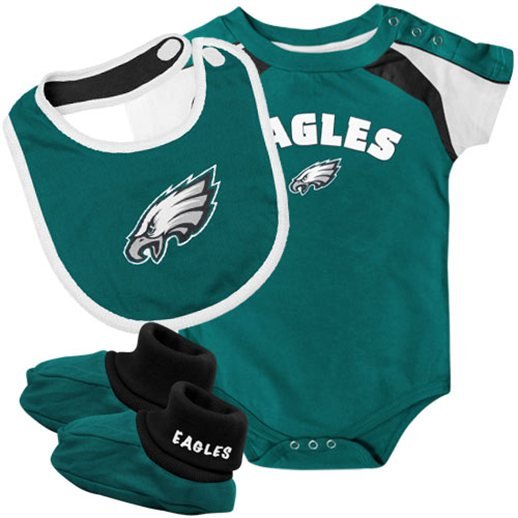
Kids Bryce Harper Jersey, Tee Shirts (Phillies) Toddler 2T 3T 4T / S-XL
Texas Tech, Virginia Kids Final 4 Tee, NCAA Championship 2T 3T 4T XS-L
About Author
